
Pig Poop Pork
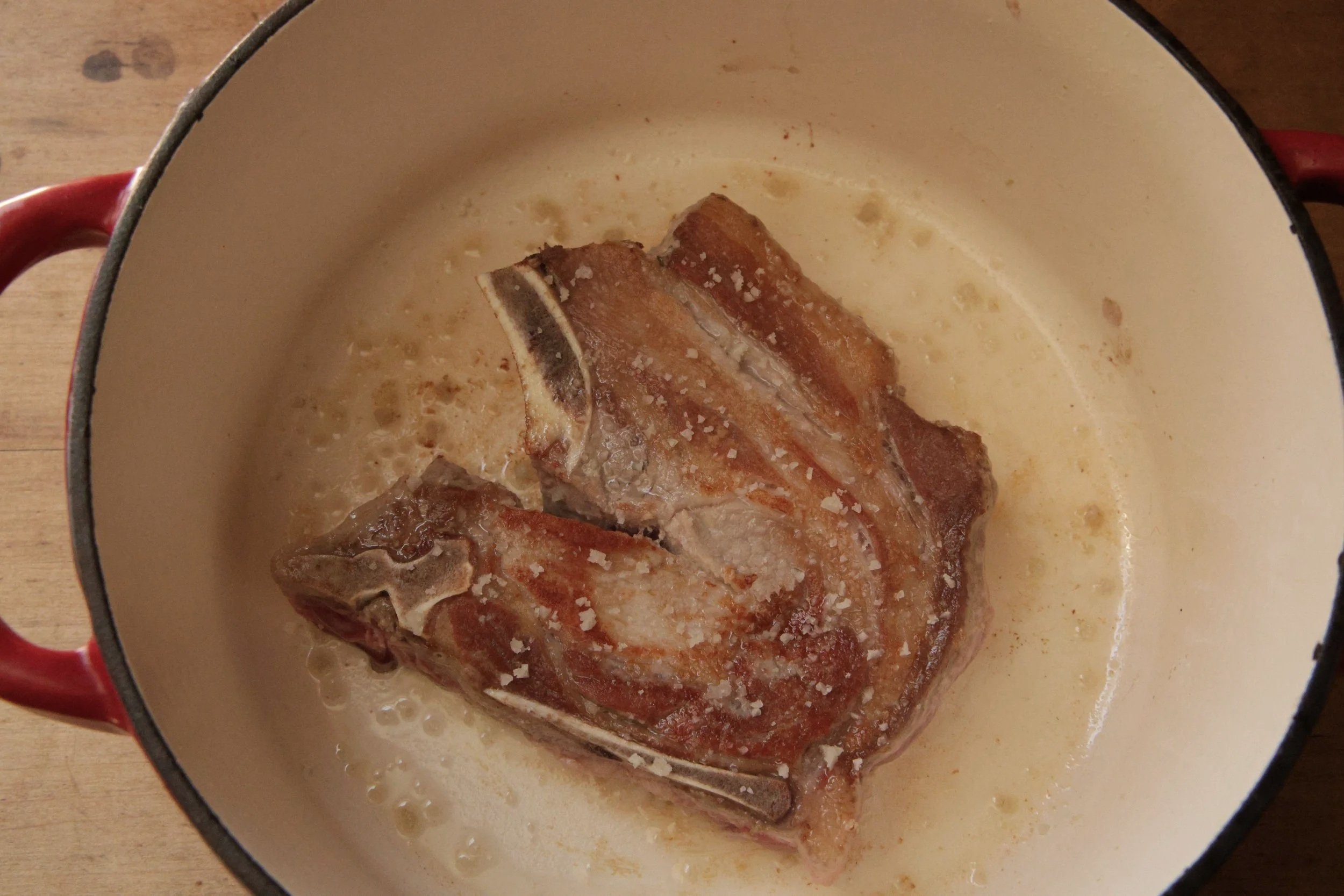
Country Style Spare Rib
Why Does Some Pork Smell Like the Pig Barn?
Have you ever cooked pork and noticed that the smell coming from the pan reminded you a little of the pig barn?
Not spoiled, just a strong barnyard, poopy sort of smell.
If that has ever happened to you, you are not imagining it. There is actually a real reason why some pork develops that flavor when it cooks, and it has to do with how pigs digest their food and how they are raised.
The great thing is that pork does not have to taste that way.
What Is Causing the Smell?
A big part of it comes down to a compound called skatole.
Skatole forms during digestion when bacteria in the intestine break down certain proteins. It is a natural byproduct of that process, but in higher amounts it carries an odor that humans tend to associate with manure.
In pigs, some of that compound can be absorbed into the bloodstream and stored in the animal’s fat. When pork cooks and the fat begins to warm in the pan, that compound is released into the air. That is often when people notice that strong barnyard aroma.
Why Pork Is More Affected
Pigs digest food very differently than animals like cattle and sheep.
Pigs have a single stomach, much like humans do, and much of their fermentation happens later in digestion in the large intestine. That is where compounds like skatole are produced.
Some of that compound can then be absorbed into the bloodstream and stored in the pig’s fat. When the fat heats during cooking, the aroma becomes noticeable.
Because of this, pork tends to reflect the pig’s diet and living conditions much more directly than many other meats.
How Environment Plays a Role
One of the biggest influences on pork flavor is how pigs are raised.
In large conventional systems, pigs are often raised indoors in confinement barns where thousands of animals live on concrete floors. When pigs spend their lives surrounded by manure, they are naturally exposed to much higher levels of the bacteria that produce skatole.
Over time, that exposure can lead to higher concentrations of the compound being stored in their fat.
Pigs raised outdoors or on rotated ground generally develop much lower levels, simply because they are living in cleaner conditions and regularly moving to fresh areas. They have the ability to get away from their excrements.
Diet Matters Too
What pigs eat also affects how their meat tastes.
Feed made from the cheapest available ingredients can influence gut bacteria and fat quality. Over time that can lead to pork fat that tastes stronger or less clean when cooked.
When pigs receive better feed and have access to natural forage, the pork tends to develop a much cleaner and milder flavor.
What Pork Is Supposed to Taste Like
When pigs are raised with fresh ground, good feed, and room to behave like pigs, the pork simply tastes like pork.
The flavor is rich, mild, and slightly sweet, and it cooks beautifully in a pan with nothing more than a little salt.
Many people who try pasture-raised pork for the first time say something like:
"This tastes like pork used to taste." and they realize they simply can’t go back to pig poop pork.
HA! Say that fast 3 times.
If you ever find yourself near the farm, we usually keep a good selection of pork cuts in the Grid Iron Hill Farm store, along with pork boxes filled with many of the same staples we cook with in our own kitchen.
My favorite is this extra-small pork box HERE
